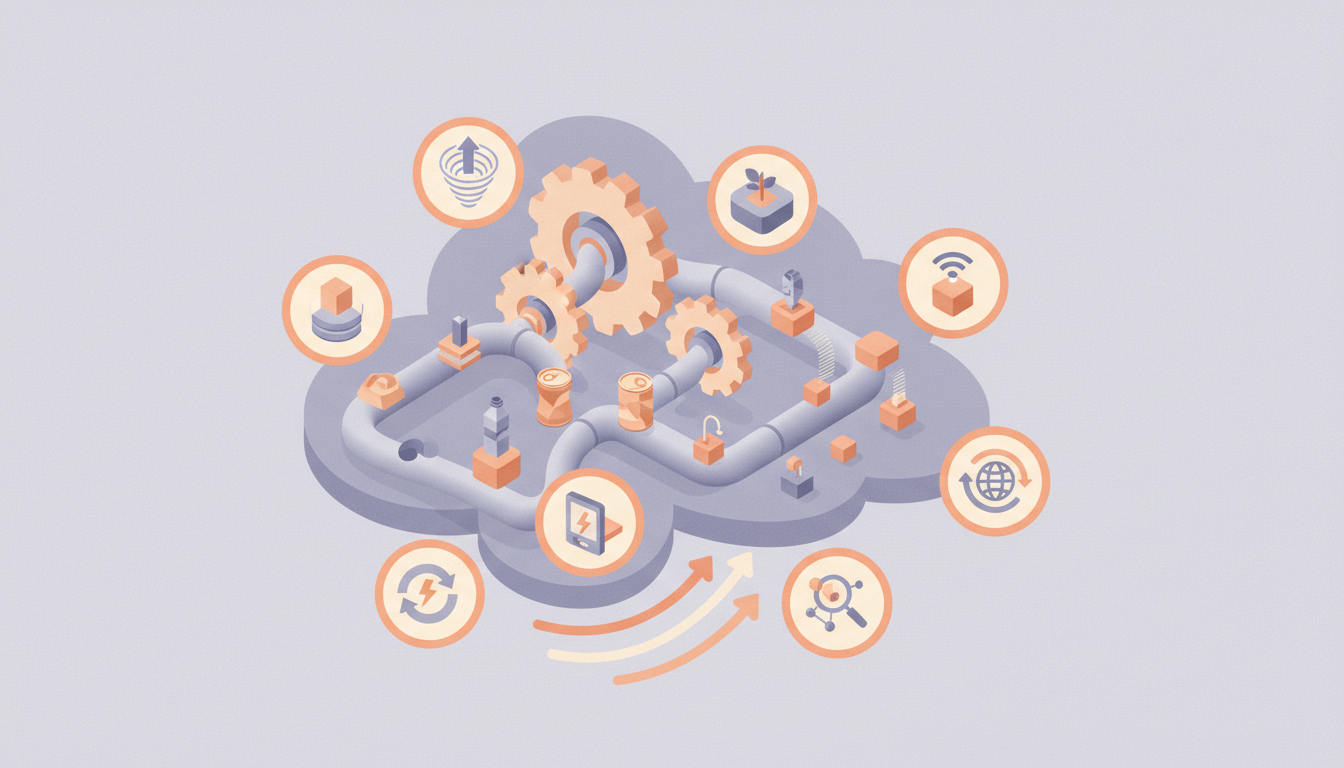
The manufacturing landscape faces a converging challenge: mountains of waste and the non-negotiable demand for sustainability. By 2026, the difference between industry leaders and laggards will be defined not just by what they produce, but by what they recover. Imagine reducing your material procurement costs by 25% while simultaneously enhancing your brand's environmental credentials. This isn't a distant ideal; it's the tangible outcome of embracing the next generation of manufacturing recycling technologies. This guide cuts through the noise to bridge the gap between outdated, inefficient recycling practices and the innovative systems that will define competitive, sustainable manufacturing in 2026. You will finish with a clear roadmap of the most impactful technologies, a practical, step-by-step guide for implementation, and the foresight to future-proof your operations against evolving regulations and market expectations.
The State of Recycling in Manufacturing Today
For decades, manufacturing recycling has often been an afterthought,a cost center focused on basic material recovery like metals and cardboard. Today, this approach is economically and environmentally unsustainable. The linear "take-make-dispose" model is hitting its limits, creating an urgent need for a circular, closed-loop system where waste is designed out and materials are perpetually cycled back into production.
Global Recycling Statistics
The scale of the challenge is staggering. Globally, the world generates over 2.1 billion tonnes of municipal solid waste annually, with a significant portion originating from industrial and manufacturing activities. Within manufacturing specifically, waste generation is colossal. For instance, the construction sector alone is responsible for about one-third of the world's total waste. Recycling rates vary dramatically by region and material. While the European Union boasts an average municipal waste recycling rate of nearly 48%, other regions lag far behind. For critical materials like plastics, the global recycling rates are alarmingly low, often below 10%, with the majority still destined for landfill or incineration.
In manufacturing facilities, inefficiency is rampant. Traditional manual sorting often fails to capture valuable, complex materials like multi-layer plastics, carbon fiber composites, or contaminated metals. This leads to millions in lost material value annually. The cost analysis reveals a dual burden: paying for virgin raw materials while also paying for waste disposal. The innovation imperative is driven by this simple economic equation: transforming waste from a disposal cost into a recovered asset directly improves the bottom line.
Regulatory Landscape
Governments worldwide are accelerating the shift from voluntary sustainability to mandatory compliance through stringent sustainability regulations. The European Union is at the forefront with its Circular Economy Action Plan, which includes directives like the Sustainable Products Initiative and stricter regulations on packaging waste. These policies mandate higher recycled content in products, extended producer responsibility (EPR) schemes, and clearer rules on waste shipments.
Beyond Europe, countries from Canada to Japan are implementing similar frameworks. In the United States, state-level regulations, like California’s Rigid Plastic Packaging Container law and evolving EPR laws for packaging, are creating a complex patchwork that manufacturers must navigate. The message is clear: regulatory pressure will only intensify. Manufacturing waste is no longer just an operational issue; it's a compliance and reputational risk. Forward-thinking manufacturers are viewing these regulations not as a burden, but as a catalyst to invest in advanced recycling methods for factories that will ensure long-term viability and market access.
Key Innovations in Recycling Technologies for 2026
The next two years will see a maturation and wider adoption of technologies that move recycling from a blunt, bulk process to a precise, intelligent, and high-value recovery system. These innovations are making it possible to handle the complex material streams of modern manufacturing.
Smart Recycling with AI
AI recycling is revolutionizing the heart of the recycling process: sorting. Traditional optical sorters are limited to broad categories. AI-powered systems, often combined with hyperspectral imaging and deep learning, can identify materials with astonishing accuracy. They can distinguish between different polymer types (e.g., PET from HDPE), detect food-grade vs. industrial plastics, and even sort by color and contamination level.
Beyond sorting, AI optimizes the entire recycling workflow. Machine learning algorithms can predict waste streams based on production schedules, allowing facilities to pre-configure sorting lines dynamically. They can also perform real-time quality control of recycled output, ensuring it meets the stringent specifications required for closed-loop manufacturing. For example, an AI system can continuously monitor the melt flow index of recycled plastic flake, making micro-adjustments to the cleaning and processing stages to maintain consistency. This transforms recycled material from a questionable commodity into a reliable, high-grade industrial feedstock.
Chemical Recycling Advances
For materials that mechanical recycling cannot handle,such as mixed, contaminated, or multi-layer plastics,chemical recycling is the game-changer. This suite of technologies breaks plastics down to their molecular building blocks, creating outputs that are virgin-equivalent in quality.
Two key methods are leading the charge:
* Pyrolysis: This process uses heat in the absence of oxygen to break down mixed plastic waste into pyrolysis oil or gas, which can be refined back into new plastics or fuels. It's excellent for handling highly heterogeneous plastic streams.
* Depolymerization: This is a more targeted process that uses chemicals, enzymes, or solvents to reverse the polymerization reaction for specific plastics like PET or nylon. It yields pure monomers that are indistinguishable from those derived from fossil fuels.
For manufacturers, this means previously unrecyclable production scrap,like cured resin composites from automotive parts or mixed plastic rejects from electronics housing,can now be recovered at a high value. It closes the loop for complex materials, making ambitious sustainability goals like 100% recycled content in technical components a realistic target for 2026.
Robotic Automation
Robotic sorting is addressing the dirty, dull, and dangerous tasks that have long plagued recycling facilities. Advanced robotic arms, equipped with sophisticated vision systems and AI, are now capable of picking specific items from fast-moving conveyor belts at speeds and precision far beyond human capability.
In a manufacturing context, this robotic automation can be deployed directly on the factory floor. Robots can be stationed at the end of production lines to separate immediately generated scrap,defective parts, sprues, trimmings,by material type, ensuring clean, segregated waste streams from the source. This "pre-sorting" dramatically increases the value and recyclability of the scrap. Furthermore, robots excel in hazardous environments, such as sorting shredded electronic waste containing heavy metals or handling sharp metal shavings, significantly improving worker safety and enabling 24/7 operation.
Implementing Recycling Tech: A Step-by-Step Guide
Adopting new technology can be daunting. This practical, three-step framework is designed to help you navigate the process from assessment to full-scale integration methodically and successfully.
Step 1: Audit Your Waste Streams
You cannot manage what you do not measure. A comprehensive waste audit is the critical first step. This is not just a glance at the dumpster; it's a forensic analysis of your entire material flow.
Actionable Framework:
1. Categorize: Physically sort a representative sample of your waste over a defined period (e.g., one week). Categorize it by material type (ABS plastic, 6061 aluminum, cardboard, mixed composites).
2. Quantify: Weigh each category. This gives you the volume and reveals your most significant waste streams by mass and likely by cost.
3. Source Identification: Trace each waste category back to its point of origin on the production line. Is it start-up scrap, quality rejects, packaging, or end-of-life product returns?
4. Value Assessment: Estimate the market value of each recyclable material stream and the current cost of its disposal (landfill fees, transportation).
Table: Simplified Waste Audit Framework
| Waste Stream | Source (Process/Line) | Weekly Volume (kg) | Current Disposal Cost | Potential Recycled Value | Priority for Action |
|---|---|---|---|---|---|
| Clean ABS Sprues | Injection Molding Line A | 500 kg | $150 (Landfill Fee) | $1,000 (as regrind) | High |
| Mixed Plastic Packaging | Incoming Goods Receiving | 200 kg | $60 | $100 (low-grade recycle) | Medium |
| Contaminated Solvent Wipes | Machine Cleaning | 50 kg | $300 (Hazardous Waste) | N/A | Investigate Alternatives |
Step 2: Choose the Right Technologies
With your audit complete, you can match your highest-priority, highest-value waste streams to the most suitable technologies. Use these criteria for evaluation:
- Material Compatibility: Does the technology handle your specific material? AI sorting is great for segregated streams; chemical recycling is for complex, mixed plastics.
- Cost vs. ROI: Calculate total capital expenditure (CAPEX), operational costs (OPEX), and the projected savings from reduced virgin material purchase and lower waste disposal fees. Advanced recovery tech often has a higher upfront cost but a compelling long-term payback.
- Scalability: Can the system start small (e.g., a single robotic cell) and scale as you validate the process and economics?
- Output Quality: Does the recycled output meet the technical specifications required to feed back into your own production, or is it suitable for sale to another manufacturer?
Step 3: Seamless Integration
A phased approach minimizes disruption. Start with a pilot project on one production line or for one waste stream. This allows you to:
* Validate the technology and business case in a controlled environment.
* Develop standard operating procedures (SOPs) and troubleshoot integration issues on a small scale.
* Train a core group of staff who can then become champions for wider rollout.
Managing change is crucial. Involve floor staff early in the process. Clearly communicate the why,how the new system makes their jobs safer, cleaner, and more valuable to the company's future. Plan for staff training that is hands-on and continuous. Ensure the new recycling workflow is integrated into your existing manufacturing execution system (MES) for seamless data tracking and management.
Case Studies and Success Stories
Real-world applications demonstrate that these are not laboratory fantasies but operational realities delivering measurable results.
Automotive Sector Innovations
The automotive industry, under intense pressure to lightweight vehicles and reduce lifecycle emissions, is a leader in closed-loop manufacturing. BMW, for instance, has implemented sophisticated systems to recycle carbon fiber reinforced plastic (CFRP) scrap from its i-series production. Through a patented process, they can recover long carbon fibers that retain up to 90% of their original strength, which are then woven into new interior components. This not only reduces the environmental impact of carbon fiber (an energy-intensive material) but also secures a domestic supply chain for a critical material, insulating the company from price volatility.
Another example is the large-scale recycling of aluminum from end-of-life vehicles. Advanced fragmentation and sorting technologies allow manufacturers to recover high-purity aluminum alloys, which can be directly recast into new engine blocks or body panels, saving up to 95% of the energy required to produce primary aluminum.
Tech Industry Applications
Electronics manufacturing faces the dual challenge of toxic e-waste and the critical scarcity of rare earth elements and precious metals. Apple has made significant strides with its disassembly robot, "Daisy," which can meticulously take apart 29 different iPhone models at a rate of 200 devices per hour, sorting high-quality components for advanced recovery. This allows Apple to reclaim materials like tungsten, cobalt, and rare earth magnets. The company has now begun integrating recycled gold, cobalt, and rare earths directly into new products, creating a verifiable closed loop for some of the most geopolitically sensitive materials in the world.
Smaller enterprises are also achieving success. A mid-sized contract electronics manufacturer might implement an on-site PCB (printed circuit board) recycling unit that uses electrostatic separation to recover copper, tin, and silver from board scrap, turning a hazardous waste stream into a revenue source.
Future Trends and Predictions
The evolution of recycling technology is inextricably linked to broader digital and policy trends that will reshape manufacturing by 2026 and beyond.
Blockchain and Traceability
As demand for recycled content grows, so does the need for verifiable proof. Blockchain technology is emerging as a powerful tool for traceability in recycling supply chains. Imagine a system where every batch of recycled plastic pellets is digitally tagged. As it moves from the recycler to the component manufacturer to the final assembler, each transaction is recorded on an immutable blockchain ledger.
This provides:
* Irrefutable proof of recycled content for sustainability reporting and compliance with regulations.
* Quality assurance, as the material's processing history and properties are transparent.
* Enhanced trust for consumers and B2B customers who demand ethical and sustainable sourcing.
Policy and Market Evolution
The regulatory push toward a circular economy will accelerate. We can expect more stringent sustainability regulations mandating minimum recycled content across a wider array of products, stricter rules on "design for disassembly," and carbon pricing mechanisms that make waste-intensive processes more expensive.
Simultaneously, market drivers are aligning. Investor pressure (through ESG metrics), consumer preference for sustainable brands, and the sheer economic benefit of resource security are creating a powerful business case. By 2026, a manufacturer's ability to demonstrate a sophisticated, tech-driven recycling and material recovery strategy will be a key differentiator in securing investment, talent, and market share. The long-term trajectory points toward sustainability goals for 2030 that will be unachievable without the innovations being adopted today.
Frequently Asked Questions (FAQ)
1. What is the typical payback period for investing in advanced recycling technologies like AI sorting or chemical recycling?
Payback periods vary widely based on scale, material value, and local disposal costs. For AI and robotic sorting systems applied to high-volume, high-value streams (e.g., specific engineering plastics or metals), many facilities see a return on investment within 2-4 years through a combination of reduced disposal fees and the sale or reuse of recovered materials. Chemical recycling projects, often involving larger capital expenditure, may have longer payback horizons (5+ years) but are increasingly seen as strategic investments for future regulatory compliance and material security.
2. Can small to medium-sized manufacturers (SMEs) afford these technologies?
Absolutely. The market is rapidly evolving to offer scalable solutions. SMEs don't need to build a multi-million dollar facility. They can start with a modular AI-powered sorting unit for a specific line, lease robotic equipment, or partner with specialized chemical recyclers through take-back schemes. The key is to conduct a thorough waste audit to identify the single most valuable waste stream and target it with a focused, affordable technology solution that proves the concept and funds further expansion.
3. How do I ensure the quality of recycled material is good enough for my production?
This is where technology like AI quality control and advanced chemical processes shines. Specify your required material properties (melt flow, tensile strength, purity) to your technology provider or recycling partner. Modern systems are designed to deliver consistent, high-spec output. Start by reintegrating recycled content in non-critical components or at a low percentage blend to validate performance before scaling up usage.
4. What's the biggest barrier to successful implementation, and how can I overcome it?
Often, the biggest barrier is internal: siloed thinking and a lack of cross-functional collaboration. Recycling tech implementation touches procurement, production, facilities, and sustainability teams. Overcome this by forming a dedicated cross-functional project team from the outset with clear executive sponsorship. Frame the project not as a "green initiative" but as a "material efficiency and cost-saving" operational upgrade.
5. Are these technologies truly "green," or do they just shift the environmental impact?
A legitimate concern. A full life-cycle assessment (LCA) is crucial. While advanced recycling uses energy, its net environmental benefit is generally positive compared to virgin material production and landfilling. For example, producing aluminum from recycled scrap saves ~95% of the energy of primary production. The industry is also focusing on powering these facilities with renewable energy and designing low-emission chemical processes to minimize the carbon footprint of recycling itself.
6. How do I future-proof my investment with regulations changing so fast?
Choose technologies that are flexible and upgradable. Opt for modular AI and robotic systems whose software and capabilities can be updated as new materials or sorting criteria emerge. Partner with technology providers who are actively engaged with regulatory bodies and have a roadmap for compliance. Focus on building a system that can adapt, rather than one that solves only today's problem.
Key Takeaway: Embracing innovative manufacturing recycling technologies is no longer a optional side project for 2026; it is a strategic imperative for operational resilience, cost control, and environmental stewardship. The convergence of AI, robotics, and advanced chemistry is turning waste into a valuable asset, enabling true closed-loop manufacturing and a competitive edge in an increasingly circular economy.
Written with LLaMaRush ❤️